Why a Solana Browser Wallet Actually Feels Different — and Which One to Try
Whoa! I remember the first time I clicked “connect” and felt my heart skip a little. It was odd. Really? Yes — and also kind of thrilling. Initially I thought browser crypto wallets were all the same, but then I spent weeks switching between extensions and realized they are very different under the hood, in UX, and in how they treat security; it’s not just a matter of color themes or a cute fox icon.
Okay, so check this out—Solana is fast. Blink-and-you-miss-it fast. Transactions clear in seconds on average, which changes how you think about wallet interactions and dapp flows. My instinct said speed would make mistakes more likely, but actually, the quick feedback reduces friction and encourages cautious habits, oddly enough. On one hand faster confirmations mean less anxiety; on the other hand, if you approve hastily, there’s little time to second-guess a permission—so the UI really matters.
Here’s what bugs me about some wallet extensions: they assume you know terminology like “seed phrase” and “derivation path” right away. That part is confusing. New users need clearer prompts. I kept stumbling over small copy issues that made me pause — somethin’ as simple as “Approve” vs “Sign” changed whether I trusted a popup. At first glance it feels trivial, but those microdecisions scale when you’re sending SOL or minting an NFT.
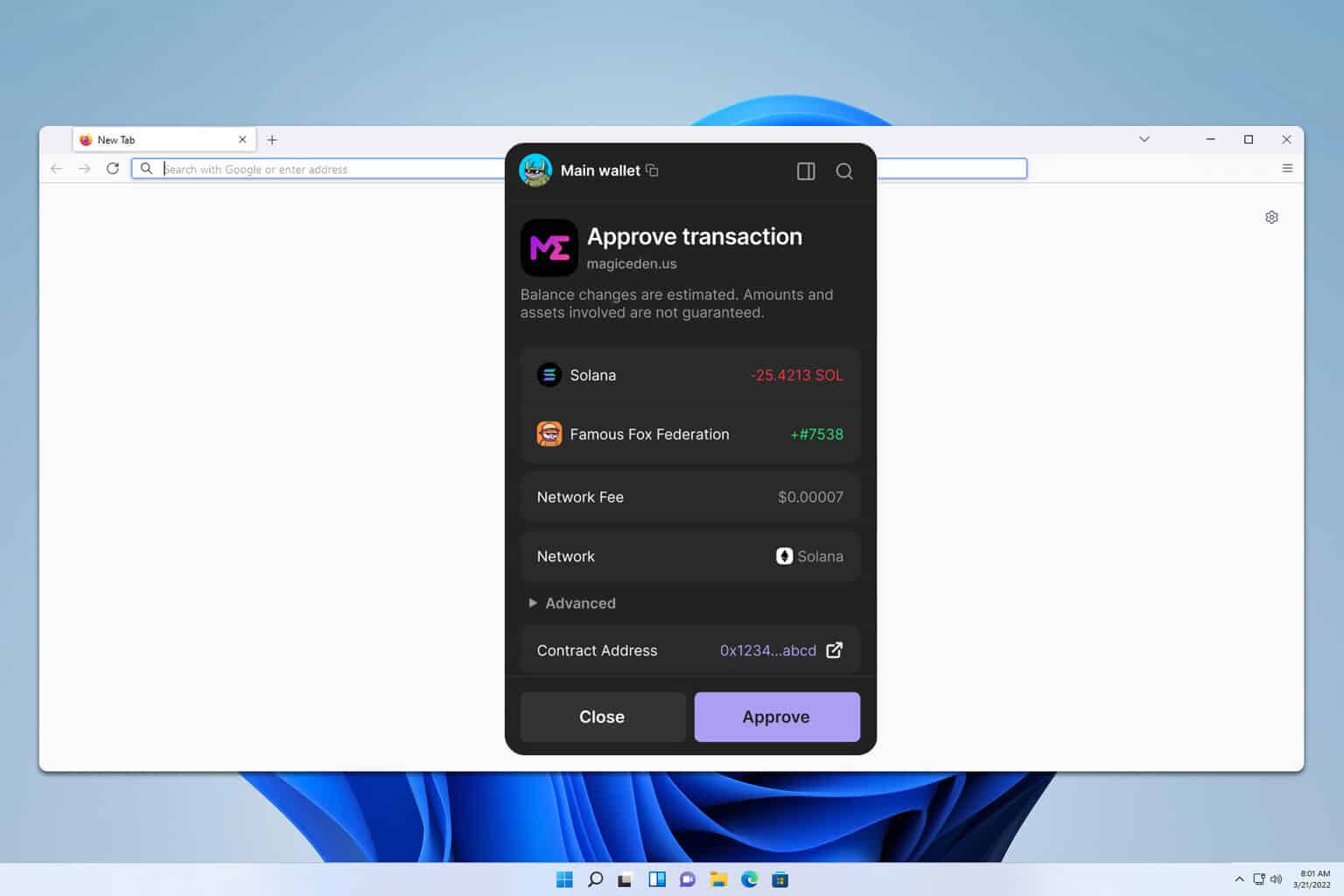
Try phantom if you want a solid everyday Solana extension
I’m biased, but when I wanted a browser-based Solana wallet that “just works” while also offering sensible security defaults, I landed on phantom. The install flow is straightforward. You create a new wallet or import an existing phrase, set a password, and you’re done — quick and clean. It keeps permissions relatively transparent and groups related dapps well, which makes it easier to manage approvals without feeling overwhelmed.
Security nuance matters. A wallet extension sits in your browser, which is both convenient and risky. Seriously? Yes. If an attacker can run malicious code in a tab, or if you click on a spoofed dapp, the extension can be tricked into signing things you didn’t intend. So I always recommend a layered approach: use a hardware wallet for high-value holdings; use an extension for daily use. Initially I thought browser-only was safe enough for small trades, but then I used it for a larger swap and felt the risk more acutely—so I moved most funds offline after that experience.
Practical tips I actually use: set a unique password for the extension, enable any available PIN or biometric unlock, and write your seed phrase down on paper — not on a cloud note. Also, beware of phrase importing sites that promise “easy recovery” because those are often traps. Hmm… it’s tempting to shortcut safety when you’re excited about a drop or a mint. Don’t do it. Slow down. Confirm the URL. Check the signature details in the popup (amount, destination, program ID). These tiny steps save a lot of headache later.
Feature-wise, a good Solana wallet extension should offer token swaps, staking options, and optional collector-friendly features like NFT galleries and metadata previews. Some wallets try to do everything. That can be nice but also bloaty. Personally I prefer a lean extension that integrates tightly with the browser and exposes advanced controls only when needed; that balance is hard to strike, though.
Real-world UX: what trips people up
People confuse network selection. True story: a colleague once paid from a test account on Devnet and then wondered why funds “disappeared.” Oops. So the extension should clearly label networks and warn strongly when you’re not on Mainnet. Also, transaction speed illusions are a thing — a “pending” badge for minutes can freak people out even if the network is processing the transaction; conversely, instant confirmations without clear status can lull users into complacency. Balance is key.
Wallet permissions are another hot spot. When a dapp asks to connect, that usually means “view addresses and request signatures” and nothing more — though sometimes the wording is fuzzy. On one hand it’s reasonable to allow a dapp to know your public address; though actually, repeated connections can leak behavioral patterns across sites. Privacy-minded folks should rotate addresses or use separate wallets for activities they don’t want linked.
Also: hardware support is improving for Solana, which is great. Use it if you can. A hardware device acts like a second brain — it isolates signing keys from the browser environment. I used a Ledger once while testing a complicated DeFi flow and the peace of mind was immediate; the extra steps felt worth it for high-value operations. But for casual swaps and NFTs, the browser extension is fine — as long as you keep risk in mind.
FAQ — quick answers I wish were easier to find
Q: Is a browser wallet safe for everyday use?
A: For small, everyday interactions it’s okay, provided you follow good hygiene: unique password, careful link-checking, and minimal stored funds. For anything substantial, consider a hardware wallet or split custody. Honestly, I’m not 100% sure of every risk vector (browsers evolve fast), but these practices reduce common attack surfaces.
Q: Can I use one wallet for multiple dapps?
A: Yes. That’s the point. But use separate wallets if you want compartmentalization — for example, one for trading, one for minting, and one for long-term storage. It feels like overkill until you need it, then it’s a lifesaver. Small tip: label them clearly in your extension so you don’t mix accounts.
Q: What if I lose my seed phrase?
A: Then recovery without backup is basically impossible. Seriously. Keep multiple offline backups, and consider using a physical metal backup if that’s available to you. Also, some services offer social recovery schemes, but those add trust assumptions and complexity — they might help, but they also expand the attack surface.
Okay, final bit — my mood shifted here. I started skeptical and then got cautiously optimistic; now I’m curious again. There are small things that could be improved across the board: clearer copy, smarter permission prompts, and better onboarding. And yet, for day-to-day Solana use, a modern browser extension is a practical and pleasant tool if you pick one that respects UX and security. Try small experiments with testnets first, keep funds segmented, and be mindful of what you approve. It’ll make using Solana feel less like a gamble and more like a regular part of your online life.
