Why I Started Using Rabby Wallet for MEV Protection and Transaction Simulation
Whoa! This felt like one of those small, boring upgrades that quietly fixed a whole lot of friction. At first I treated it like a wallet change — swap an extension, move keys, rinse. But then something clicked: the way transactions are previewed, simulated, and protected from MEV actually changes risk calculus for active DeFi users, not just hobbyists. My instinct said this was subtle. Actually, wait—let me rephrase that: subtle until you lose a few basis points to a sandwich attack and then it isn’t subtle at all.
Here’s the thing. MEV—miner (or more broadly, maximal extractable) value—isn’t just an academic problem. It’s cash. People lose real funds to front-running and sandwiching every week. I’m biased, but that part bugs me. Rabby Wallet brings a practical toolkit that aims to make those invisible attack vectors visible before you hit confirm. For traders and builders who care about slippage, timing, and private mempool exposure, visibility matters a lot.
Quick story: I entered a sizable DEX swap on mainnet without simulation once. Somethin’ felt off. The swap executed, and that gut-punch of seeing worse-than-expected execution — ugh — was instructive. So I started comparing tools. The ability to simulate a transaction and see how bots might react, or whether your transaction would be re-ordered, became the deciding factor. On one hand, many wallets show gas and nonce; though actually, not many show how your tx will likely walk through the mempool and beyond. On the other hand, a better preview saves time and money.
What transaction simulation actually buys you
Simulation isn’t just a dry number. It’s a dry number that tells you a story. You get to see the exact calldata effects, token changes, and expected gas before spending a dime. That matters. If your swap will interact with a series of contracts, a simulation surfaces reverts, failed approvals, and estimated token outputs so you don’t submit blind. Hmm… that little replay step? It often avoids very very costly mistakes.
Also, simulations expose front-running risk vectors. You can see whether a pending trade creates profitable arbitrage opportunities for bots. And if it does, then you can choose to change parameters — higher slippage tolerance, split the order, or use a private relay. Initially I thought this was overkill for most trades, but then I realized that high-frequency traders and MEV bots don’t discriminate by wallet; they go after opportunity. So visibility becomes a defensive layer.
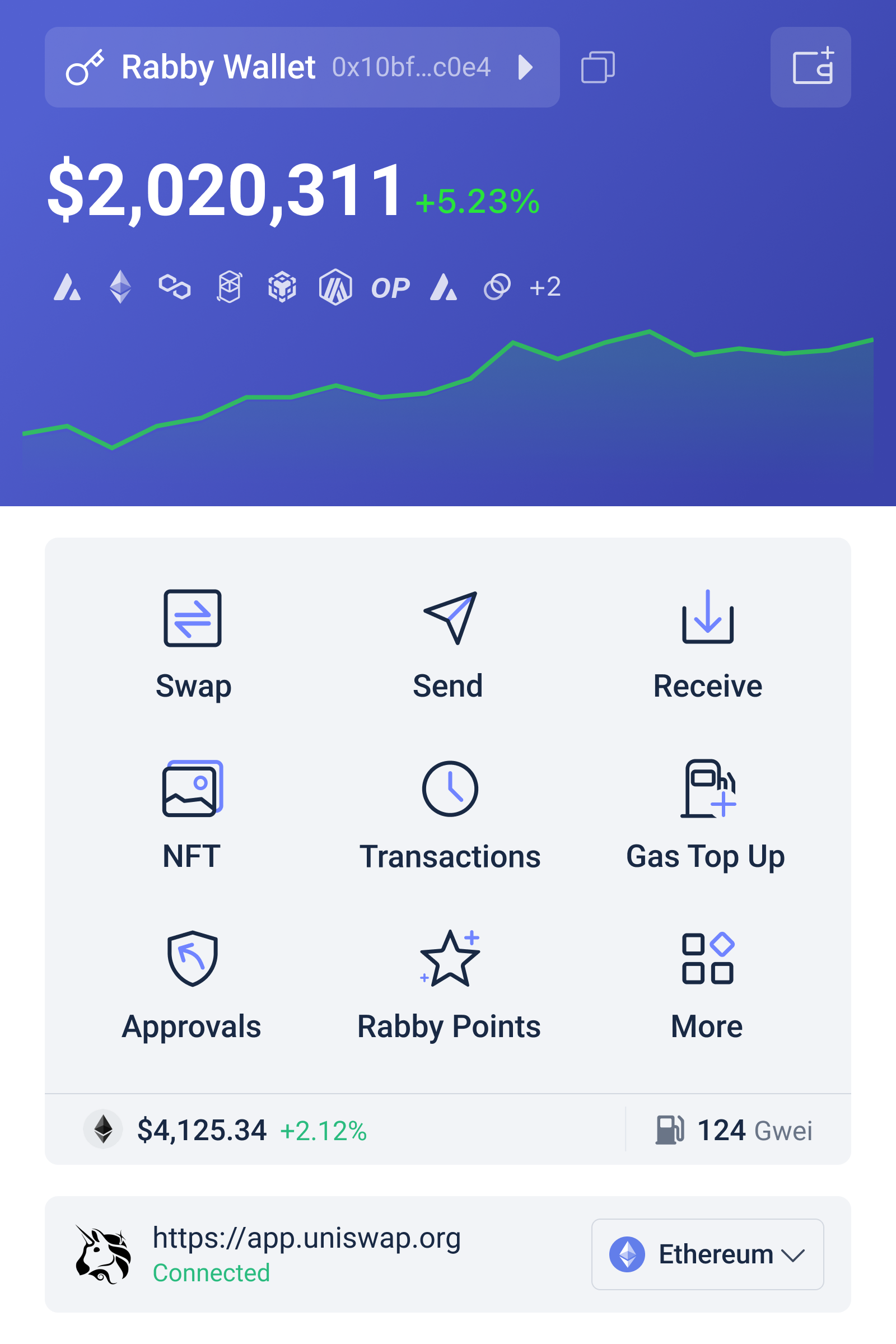
Okay, so check this out — Rabby Wallet brings transaction simulation inside the wallet UI. No separate tab, no third-party site. That immediate feedback loop is where time savings compound. You can tweak inputs, re-simulate, and feel the impact in seconds. It’s a small UX win with outsized behavioral effects: people become more cautious and smarter with gas and slippage.
MEV protection: what it is and how Rabby approaches it
MEV protection generally reduces the chance your transaction is spotted and exploited while in the public mempool. There are a few common approaches: private relays, bundling with block builders, flashbots-style submission, and strategic gas/nonce tuning. Rabby Wallet stitches together options that let users pick the right level of privacy and protection for the trade at hand.
Seriously? Yeah. You don’t always need full privacy. Sometimes simply altering timing or routing avoids predictable sandwich attacks. Other times you want to submit privately through a relay. Rabby makes those choices explicit rather than leaving you guessing. Initially I thought that wallet-based MEV protection would be clumsy. But the more I used it, the more I appreciated the nuance: protection can be configurable per transaction, which is practical.
On a technical note, reducing MEV exposure isn’t a single silver bullet. On one hand, private submission hides the tx; on the other, it centralizes trust if you rely on a single relay. So yes—tradeoffs exist. My working approach: use simulations to measure risk, then pick a submission mode appropriate to that risk. If the simulation suggests a high-probability sandwich, go private. If it’s low-risk, use the public path and save latency.
Security features that actually matter day-to-day
I’ll be honest: I like features that solve problems I actually have, not glossy checkboxes. Wallets can tout “security” but mean many different things. Rabby focuses on a few practical protections: transaction previews with decoded calldata, better approval management, hardware wallet integration, and clearer nonce control. Those features reduce accidental losses, and that’s huge.
Approval fatigue is real. I once realized a token had blanket approval to spend my funds — yikes. Rabby makes these approvals visible and easier to revoke. You can inspect which contracts have allowances and act on them quickly. This isn’t sexy, but it is crucial. Little things like clear signing prompts and the ability to simulate a complex batch transaction without leaving the UI make a big operational difference for active DeFi users.
One minor gripe — the interface sometimes throws so much info at you that newcomers get overwhelmed. But that’s a me problem; I’m an info-nerd. For power users it’s fine. For rookies, a guided mode or simpler defaults would help. (oh, and by the way…) There are moments where I wished the wallet would suggest the optimal submission path after simulation instead of leaving every decision manual. Still, manual is safer in many contexts.
How to fold simulation and MEV protection into your workflow
Practical routine: simulate every non-trivial transaction. Seriously. If you’re moving more than a couple hundred dollars, run the sim. Use it to check for reverts, slippage, and potential MEV signals. If the sim shows exploitable opportunities, consider private submission or splitting the trade. If you use limit orders or DEX aggregators, combine those with wallet-side simulation for an extra sanity check.
Also, document your defaults. I’m not 100% sure why people leave high slippage and blanket approvals enabled — but they do. Set conservative slippage, make approvals token-specific, and enable hardware key checks for large moves. My instinct says most users would save money and headaches by doing this consistently.
To try this hands-on, install the rabby wallet, connect a hardware device or create a software account, then run through a few small simulations on your favorite DEX. Tweak slippage and gas and watch the outcomes change. That little experiment reveals a lot about execution risk and MEV exposure; it’s revealing in a way docs rarely are.
FAQ
Does simulation guarantee I won’t get MEV’d?
No, simulation doesn’t guarantee immunity. It surfaces probable outcomes based on current mempool behavior and chain state. Think of it as risk reduction and situational awareness rather than a shield that’s 100% foolproof.
Is private submission completely safe?
Private submission reduces public visibility, but it introduces trust in the relay or bundler you use. It’s a tradeoff: less exposure to front-runners, more reliance on the private path’s integrity. Use reputable relays and diversify your tools.
Will transaction simulation slow me down?
Not noticeably. Simulations are generally quick and worth the milliseconds. The small time cost is typically far smaller than the financial cost of a bad execution.
